What is the MITRE ATT&CK Framework?
The MITRE ATT&CK (Adversarial Tactics, Techniques, and Common Knowledge) framework is a globally-accessible knowledge base of adversary tactics and techniques based on real-world observations. This framework serves as a foundation for the development of specific threat models and methodologies in the private sector, government, and the cybersecurity product and service community.
Key Components of the Framework
1. Tactics
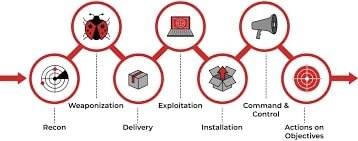
Tactics represent the "why" of an attack technique. They are the adversary's tactical goals during an attack, such as:
- Initial Access
- Execution
- Persistence
- Privilege Escalation
- Defense Evasion
- Credential Access
- Discovery
- Lateral Movement
- Collection
- Command and Control
- Exfiltration
- Impact
2. Techniques
Techniques represent "how" an adversary achieves a tactical objective. For example, under the "Initial Access" tactic, techniques might include:
- Phishing
- Valid Accounts
- Drive-by Compromise
- Supply Chain Compromise
Implementing MITRE ATT&CK in Your Organization
1. Threat Intelligence Mapping
Map your threat intelligence to the MITRE ATT&CK framework to understand which techniques are most relevant to your organization. This helps prioritize your defense strategies and investments.
2. Security Control Assessment
Use the framework to assess your existing security controls and identify gaps in your defenses. This helps ensure comprehensive coverage against known attack techniques.
3. Detection and Response
Develop detection strategies and response procedures based on the techniques outlined in the framework. This includes:
- Creating detection rules
- Implementing monitoring solutions
- Developing incident response playbooks
- Training security teams
Benefits of Using MITRE ATT&CK
- Common Language: Provides a standardized vocabulary for security teams
- Comprehensive Coverage: Offers a broad view of attack techniques
- Real-World Relevance: Based on observed attacks rather than theoretical scenarios
- Continuous Updates: Regularly updated with new threats and techniques
- Community-Driven: Benefits from collective knowledge and experience
Best Practices for Implementation
- Start Small: Begin with a subset of techniques most relevant to your organization
- Prioritize: Focus on high-risk techniques first
- Document: Maintain detailed documentation of your implementation
- Train Teams: Ensure all security personnel understand the framework
- Regular Reviews: Periodically assess and update your implementation
Conclusion
The MITRE ATT&CK framework is an invaluable tool for organizations looking to improve their security posture. By understanding and implementing this framework, organizations can better prepare for, detect, and respond to cyber threats. Remember that implementation should be an iterative process, continuously refined based on new threats and organizational changes.